World Cup
Why England‑Argentina remains football’s most charged rivalry
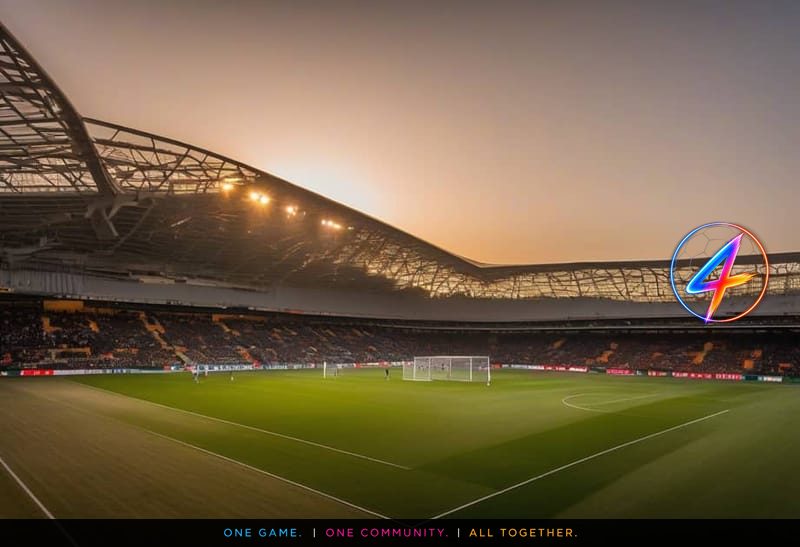
Under the gleaming, geometric façade of Atlanta Stadium, the world’s most futuristic arena, the England‑Argentina World Cup duel is set to unfold. Lionel Messi leads the Argentijnen, while Jude Bellingham and Harry Kane are the vedettes for England. © Getty ImagesLionel captures the pre‑match focus as fans brace for a night of historic intensity.
The rivalry traces back to the 1966 World Cup semi‑final when English manager Alf Ramsey dismissed the Argentinians as “a bunch of beasts”. That comment still haunts the fixture and fuels the narrative of a Klassieker‑style encounter.
Four decades later, Diego Maradona’s infamous Hand of God in 1986 added a divine twist, with the Argentine star later recalling the Falklandoorlog’s lingering anger: “We fought the Malvinas, and this was revenge.” The incident remains a cornerstone of WK‑geschiedenis.
In 1998 at Saint‑Étienne, a young David Beckham received a red card after a clash with Diego Simeone, a moment that turned into a Firm‑level storyline and was later chronicled in documentaries.
A 2005 friendly in Genève nearly erupted into violence, prompting local police to prepare extensively for the upcoming clash, echoing the high‑risk profile of a Superclasico.
England’s ego clash: Tuchel vs Bellingham fuels semi‑final fire
Scaloni, the Argentine coach, tried to calm nerves in Kansas City, saying, “De boodschap is simpel: dit is een voetbalwedstrijd, jongens. Laten we er alsjeblieft niets anders achter zoeken.” He added that England is “an absolute great power” and that the match is “just football, nothing more.” Messi, after beating Switzerland, expressed his excitement: “England is an absolute grootmacht, it is always special to play against great powers. It is my first time facing them, and that makes it extra special.” Bellingham, fresh from a two‑goal performance against Norway, warned, “You can’t always win with a thousand passes per match. Sometimes you have to win ugly.” His words underline England’s mental resilience after surviving a ten‑man extra‑time win over Mexico at the Azteca‑stadion. The Falkland War (Falklandoorlog) and the South‑Atlantic Oceaan’s Malvinas (Malvinas’) still echo in Argentine chants, especially the Muchachos song that mourns the “pibes de Malvinas”. The Spanish‑Argentinian term Islas Malvinas appears in fan lyrics, linking the conflict to the pitch.Tuchel quells Bellingham doubts as England set sights on Argentina
Cannes‑premiered documentary El Partido revisits the 1986 quarter‑final, highlighting the geopolitical weight of the encounter and cementing its status as one of the most iconic WK‑wedstrijden. American crowds in Atlanta, a city synonymous with Coca‑Cola, will hear English chants and Argentine melodic songs, turning the stadium into a vocal battlefield. The Arrowhead arena in Kansas City, where Messi spoke, also hosted the pre‑match press conference. Both nations arrive with a legacy of political, cultural, and sporting drama, making England‑Argentina a match that rivals any Old Firm or Superclasico in intensity and significance.