World Cup
UEFA threatens FIFA boycott over World Cup stake sale
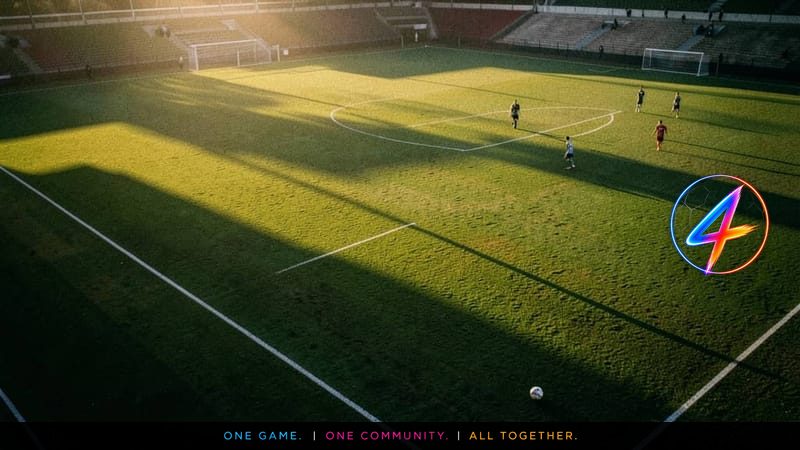
On Thursday, UEFA announced it will boycott all FIFA competitions after FIFA President Gianni Infantino suggested selling stakes in the World Cup, a proposal the European governing body says jeopardises the tournament’s integrity. The move marks a rare clash between football’s organisations and follows backing from CONCACAF, the North and Central American federation that hosted this year’s World Cup.
UEFA’s stance is backed by CONCACAF, whose 41 member associations formally rejected Infantino’s proposal, delivering another blow to FIFA’s plans.
The dispute echoes historic boycotts. Uruguay, the inaugural 1930 champions, refused to defend its title in 1934, protesting the absence of European teams that had travelled to South America for the first tournament.
Argentina declined participation in 1938 after expecting to host the event.
European federations unite to boycott Infantino’s $20 million plan
Turkey, Indonesia, Egypt and Sudan also refused to face Israel in Asian qualifying for the 1958 World Cup, prompting Wales to step in and defeat Israel in a one‑off qualifier.
In October 1964, all 15 African nations withdrew from World Cup qualifying, deeming the single spot allocated to Africa, Asia and Oceania unfair compared with the ten places given to European countries for the 1966 finals.
Eight years later, the Soviet Union refused to travel to Santiago for the second leg of a qualifying playoff after the 1973 Chilean coup, leading to a Chilean XI taking the field; captain Francisco Valdés walked the ball into the net from kickoff before a 2‑0 win was awarded.
Infantino pitches World Cup sale as UEFA and Pro League chief balk
Iran’s participation this year was also questioned after US and Israeli airstrikes in February, sparking broader boycott calls linked to US immigration policies under President Donald Trump.
The contrast between UEFA’s modern governance dispute and these historic political boycotts shows that challenges to the World Cup have repeatedly emerged from both sporting and geopolitical arenas, suggesting future confrontations may again test football’s global unity.