Serie A
Italian football's bright start vs looming challenges as Serie A returns
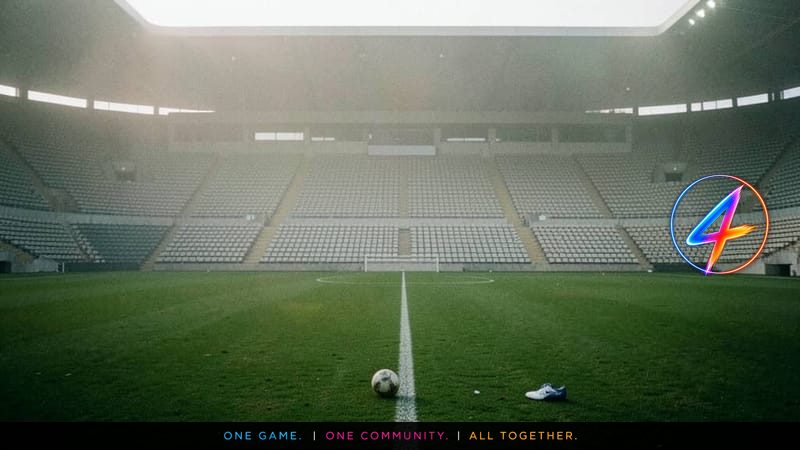
Under the glow of modern stadium lighting, thousands of supporters fill Italy’s iconic arenas, eager for the 2026/27 Serie A campaign that will feature 20 clubs, 38 rounds and 380 matches beginning in August, while the previous season’s 922 goals and Inter Milan’s Scudetto set a high benchmark for the new era.
As clubs return to training, the summer atmosphere around the game is already building, with players and staff settling into pre‑season routines across the country. Training grounds are buzzing with activity as squads fine‑tune tactics ahead of the launch.
New signings and coaching changes dominate headlines, while established giants voice renewed ambitions. The influx of fresh talent promises a fresh race for domestic supremacy.
Stadium operators are investing heavily in matchday experience, upgrading seating, hospitality and lighting to enhance evening fixtures. These improvements aim to keep packed stadiums vibrant throughout the campaign.
Club officials stress the importance of a strong home environment, noting that narrow margins often decide European qualification and title challenges. Home advantage is therefore a strategic priority for many sides.
Juventus have been active in preparations, Milan unveiled their 2026/27 away kit, Torino presented a new away shirt, Fiorentina added fresh talent, and Atalanta, under Maurizio Sarri, speak positively about building an important journey. Each club is shaping its identity for the season ahead.
Outside the traditional powerhouses, Como’s recent European qualification highlights how quickly a well‑organised project can reshape the league’s competitive landscape. Their rise underscores the league’s evolving dynamics.
The 2026/27 Serie A season is set to start in August and run through May 2027, with international breaks and two mid‑week rounds, while the Coppa Italia will commence in August and conclude in May 2027. The calendar promises a packed schedule for clubs and fans alike.
Italian football remains defined by historic rivalries and tactical identity, yet clubs are increasingly focused on infrastructure, commercial growth, youth development and the overall stadium experience as the new era unfolds across Italia. These priorities signal a modernising shift in the sport.