Roma’s Pietralata stadium pushes ahead with ‘Arcipelago Verde’
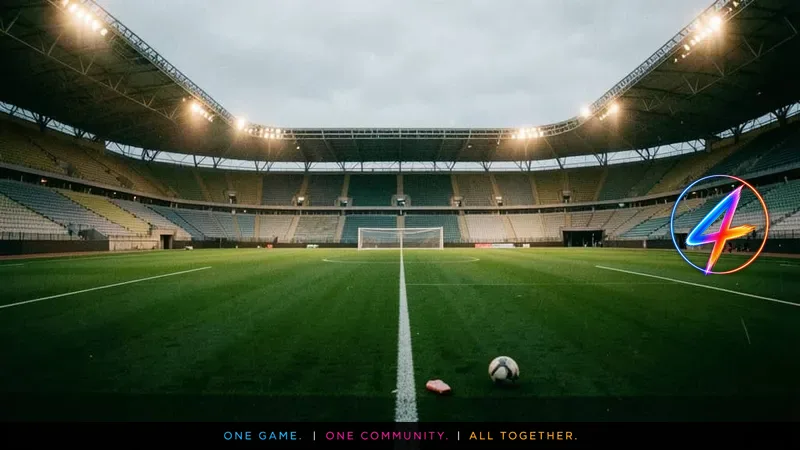
At the edge of the Tiburtina rail hub, a convoy of surveyors circles a swath of saplings, marking the first tangible step in Roma’s new stadium plan in Pietralata. The green corridor, slated to replace roughly 5,000 square metres of forest, signals the project’s environmental focus.
The club’s paperwork, filed in Campidoglio, officially christened the future network of parks “Arcipelago Verde”. Roma says the green complex will be larger than the historic Villa Celimontana garden. The designation underscores the club’s ambition to integrate extensive public greenery with the stadium footprint.
Green Park System Named Arcipelago Verde
Il Messaggero reported that after the Conferenza dei servizi concluded at the end of July, the process moved into a new phase. Authorities have now been asked for a hydrogeological clearance and permission to uproot trees and shrubs on the site. These steps are required before soil surveys and archaeological checks can begin.
The application, which also involves Regione Lazio, targets the temporary conversion of about 5,000 square metres of forested land in Municipio IV. Roma has pledged compensatory planting on an area at least equal in size, following forest‑law requirements. The compensation plan calls for mixed woodlands of oak, elm and beech, complemented by broad‑leaf shrubbery, using native species to match the sub‑Mediterranean hill profile.
The attached geological report confirms the absence of significant hydrogeological, geomorphological or soil‑stability concerns on the site. A separate dossier titled “Approccio metodologico alla compensazione arborea” outlines the strategy to restore a heavily anthropised zone plagued by invasive, non‑native vegetation.
Administrative Milestones and Timeline
La Assemblea Capitolina confirmed public interest in March after reviewing the feasibility study’s prescriptions. In May, a convention between the involved bodies was signed, remaining valid until 31 December 2032. The overall investment exceeds €1.3 billion, with an economic impact projected at over €3 billion, and the stadium is designed for more than 60,000 spectators on a 27‑hectare site, of which more than 11 hectares will be green.
Mayor Roberto Gualtieri and regional president Francesco Rocca have been appointed sub‑commissioners to work with extraordinary commissioner Massimo Sessa. The goal is to close the Conferenza dei servizi by September, after which Roma can launch the executive project and tendering phase. If the current schedule holds, construction is set to begin in the spring of 2027.