Transfers
Liverpool’s new owners eye £47m‑failed Camara move in January
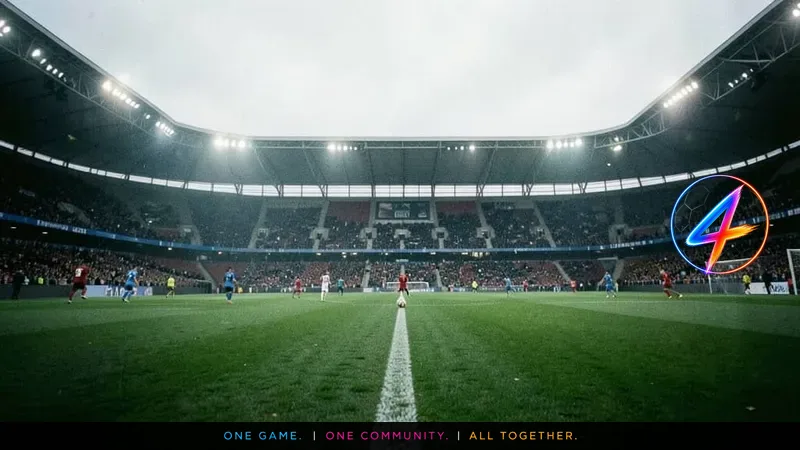
A £47 million deal that fell through on deadline day has thrust Monaco midfielder Lamine Camara into the spotlight as Liverpool’s new owners prepare to shape their first winter transfer signing. The 22‑year‑old Senegal international, whose move to Chelsea collapsed after a completed medical, is now being eyed as a potential first major recruitment target for the Anfield side in January.
New investors set sights on winter market
The report says Camara is convinced he can still complete a move to Liverpool in January after his £47 million transfer to Chelsea collapsed on deadline day. He had already passed a medical with the London club before Monaco withdrew from the deal, leaving him available for a winter transfer.
Incoming vice‑chairman Amit Bhatia, who will join the board once 1892 Holdings’ minority stake receives regulatory clearance, is set to oversee a thorough mid‑season squad review. The consortium behind the investment also includes Amazon founder Jeff Bezos and Facebook co‑founder Eduardo Saverin, signalling a high‑profile backing for Liverpool’s future.
Anfield officials are actively monitoring squad depth, assessing whether an extra midfielder and a versatile attacker are required to maintain momentum through the second half of the campaign. How the new ownership will influence those decisions is expected to become clearer as the January window approaches.
Camara’s move reflects shifting transfer dynamics
No official agreement with Monaco has been confirmed, but Camara’s personal preference for Anfield, combined with Liverpool’s long‑standing interest, places the midfielder at the top of the club’s January shortlist. The club’s scouting network has reportedly kept him on a priority list throughout the season.
The injection of capital from 1892 Holdings represents a pivotal development in Liverpool’s ownership structure, with the minority consortium potentially increasing its stake over time. Such a shift could give the new investors considerable sway over transfer policy and broader sporting strategy, offering an early opportunity to showcase their ambitions.
Fenway Sports Group remains the majority shareholder, meaning the new consortium will initially operate alongside the existing hierarchy. This dual‑ownership model could require close coordination on player acquisitions, particularly as the club seeks to balance immediate needs with long‑term planning.
If Camara’s move materialises, it would become one of the first high‑profile signings under the revamped hierarchy, illustrating how ownership changes can reshape a club’s winter market activity.