Serie A
Italia's number 10 returns, but Inter stays without it
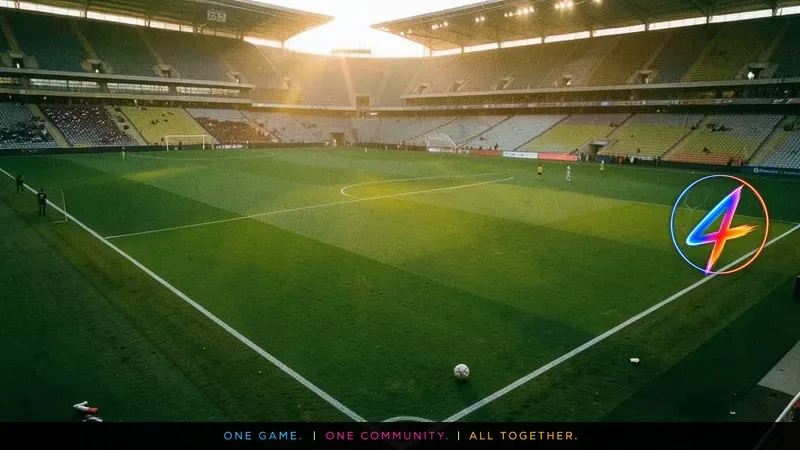
On a sun‑drenched training pitch in Milan, the number 10 jersey reappears as the latest fashion statement in Italia, with every big club embracing it while Inter remains the lone exception – Ce, the coveted playmaker’s role, is still missing from their lineup.
Forse è vero che nel calcio ormai non ci sia più nulla da inventare, a claim that resonates across the Italian coaching community. The observation suggests a belief that tactical innovation has reached its limits.
After the era of arithmetic and geometric references—formations ranging from 4‑4‑2 to 3‑5‑1‑1 and the use of diagonal passes—coaches have become fascinated by seemingly original situations such as building play from the back. This focus on possession‑based construction has been hailed as a modern solution to tactical dilemmas.
That approach quickly turned into a catch‑all remedy, only to reveal the need to name the coaches who have re‑evaluated the goalkeeper capable of launching long balls to bypass the midfield. The resurgence of the long‑throw keeper highlights a renewed appreciation for unconventional attacking options.
One historic figure, Ottavio Bianchi, a great coach and innovator mistakenly thought to be a defender, theorised that among attack solutions there was to hurl the ball to the forward and then be ready—after gaining forty metres—on the opponent’s rebound. Bianchi’s concept anticipated the modern use of a goalkeeper’s long distribution as a weapon.
In short, football constantly evolves, yet fashions often return, prompting commentators to exclaim at the perceived novelty of revived ideas. The cyclical nature of tactics underscores how past insights can become tomorrow’s trends.
This mention ties the football discussion to broader regulatory frameworks.